Dive into the Enchanting World of Tulips with These Seven Surprising Facts
Posted on 13/08/2025
Dive into the Enchanting World of Tulips with These Seven Surprising Facts
Tulips have graced gardens and hearts for centuries, their vibrant hues and delicate elegance captivating the imaginations of flower enthusiasts worldwide. From royal courts to modern-day parks, these iconic blooms have a remarkable story that stretches across continents, cultures, and centuries. Whether you're a passionate horticulturist or an admirer of nature's beauty, it's time to dive deep into the **mesmerizing world of tulips** with these seven surprising facts that will forever change the way you look at these beloved flowers.
Introduction: The Timeless Allure of Tulips
Tulips aren't just beautiful springtime blossoms; they are symbols of love, prosperity, and even economic intrigue. Originating in ancient Persia and cultivated by the Ottoman Empire, tulip flowers have become emblems of elegance and refined taste across the globe. Today, the wonderful world of tulips boasts over 3,000 varieties, mesmerizing gardeners and botany lovers alike with their endless array of colors and forms.
But behind every petal lies a story--a history rich with fascination and intrigue, global travels, economic mania, and botanical wonders. Are you ready to uncover the most captivating tulip secrets? Let's embark on this floral journey!
1. Tulipmania: The World's First Economic Bubble
The story of Tulipmania is perhaps one of the most surprising chapters in the history of tulips. In the 17th-century Netherlands, tulip bulbs became so extraordinarily valuable that they were traded like precious commodities--or even currency. This phenomenon, known as Tulipmania, saw some varieties fetching prices higher than those of grand houses in Amsterdam.
- At the height of the craze, a single rare tulip bulb could cost more than a skilled worker's annual salary.
- Trades were sometimes made using goods, properties, or even livestock.
- The bubble burst dramatically in 1637, leading to financial ruin for many speculators.
Tulipmania has since become a cautionary tale, studied by economists as the first recorded speculative bubble. It stands as a testament to the enchanting power of tulips--and the sway beautiful things can have on human desire and economics.
What Can We Learn from Tulipmania?
Aside from being a fascinating piece of economic history, Tulipmania demonstrates how tulip flowers forever intertwined with Dutch culture, cementing the Netherlands as a global center for tulip cultivation and commerce.
2. Tulips Didn't Originate in Holland
When people think of tulips, they immediately imagine the colorful, endless fields of the Netherlands. However, tulips' true origins trace back to the wild mountainous regions of Central Asia--mainly present-day Kazakhstan, Iran, and Afghanistan.
- The name "tulip" derives from the Persian word "delband", meaning turban, due to the flower's turban-like shape.
- Turkish sultans adored tulips, making them centerpieces of the Ottoman Empire's gardens as early as the 10th century.
- Tulips journeyed westward to Europe in the 16th century, brought by botanists and explorers--eventually finding a permanent home in Holland.
Today, the enchanting world of tulips owes much to this cross-continental journey, fusing Eastern and Western horticultural passions.
3. There Are Thousands of Tulip Varieties and Colors
The modern tulip family is as diverse as it is stunning. There are currently over 3,000 registered varieties across 15 different groups or classes.
- Single Early Tulips: Known for their classic cup-shape, they herald the start of spring.
- Parrot Tulips: Featuring fringed and feathery petals in vibrant, multi-colored patterns.
- Rembrandt Tulips: Named for their painterly streaks and dramatic color breaks, reminiscent of 17th-century Dutch art.
- Triumph Tulips: Among the tallest and most robust, beloved by garden designers.
- Viridiflora Tulips: Easily recognizable by their signature green markings on the petals.
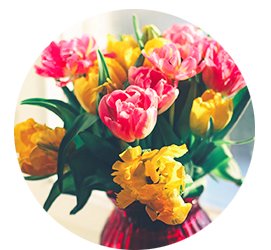
Tulip flowers now bloom in nearly every color except true blue. Through selective breeding and cross-pollination, growers have even created bicolored and multicolored varieties that look too magical to be real.
The Quest for the Rarest Tulip
Some of the world's most enchanting tulips, like the legendary Semper Augustus or Black Tulip, continue to amaze collectors and inspire flower enthusiasts. The Semper Augustus, with its stunning flame-like streaks, was at the heart of Tulipmania. Meanwhile, horticulturists continue the quest for the mythical blue tulip--a hue that, as of yet, remains unattainable in the natural world.
4. Tulips Are Rich in Symbolism Across Cultures
Tulips have fascinated not just botanists and gardeners, but also poets and royalty. Over time, their meanings have evolved--and their symbolism branches out across different societies:
- Persian and Turkish Culture: Tulips are emblems of paradise on earth, divine beauty, and the fleeting nature of life.
- Victorian England: The language of flowers assigned tulips to mean "perfect love" and "royal lineage."
- Modern symbolism: In many cultures, red tulips symbolize deep love, yellow stands for cheerfulness and hope, while white tulips represent forgiveness and purity.
- The tulip is the national flower of Turkey and Afghanistan.
The enchanting world of tulips isn't just about their looks--it's also about the powerful emotions and meanings they convey to people everywhere.
5. Tulip Bulbs Were Once Eaten for Survival
While we adore tulips for their splendor, there's a chapter in history when these beautiful bulbs served a more somber purpose: as food.
During the harrowing winter of 1944-1945, known as the Hunger Winter in the Netherlands, food shortages drove people to desperation. Many Dutch citizens were forced to eat tulip bulbs to survive.
- The bulbs were commonly boiled or mashed, and sometimes ground into flour for bread-like substitutes.
- While not particularly tasty, tulip bulbs contain carbohydrates and small amounts of protein, providing essential calories in extreme conditions.
- Certain tulip varieties can be toxic; thus, only select bulbs were deemed safe after careful preparation.
This powerful reminder underscores the resilience of tulips and humanity alike--and their unexpected place in history beyond gardens and vases.
6. Tulip Flowers Rely on the Wind and Insects for Pollination
While tulips might appear as ethereal and otherworldly wonders, their reproductive journey is just as fascinating. In nature, many tulip species depend on the wind or industrious insects--bees, butterflies, and beetles--for successful pollination.
Some of the secrets of tulip pollination include:
- Their bold, open blossoms and vivid colors act as irresistible invitations to pollinators.
- Tulip flowers rely on cross-pollination for the creation of stunning new varieties and hybrids.
- In the wild, tulips often close up during harsh weather, re-opening when pollinators are most active.
Without the collaboration between tulips and their tiny visitors, the enchanting world of tulips would be far less diverse--and far less magical.
7. Tulips Continue to Inspire Art, Festivals, and Innovation
The power of tulips extends well beyond the flower bed. Today, their breathtaking beauty and remarkable history are celebrated in festivals, immortalized in art, and even drive innovations in agriculture and technology.
- Keukenhof Gardens in the Netherlands: Known as the "Garden of Europe," this iconic destination showcases over 7 million tulip bulbs each spring.
- Canadian Tulip Festival: Celebrates the historical gift of 100,000 tulip bulbs from the Netherlands to Canada, a symbol of gratitude during World War II.
- Floral design and art: Tulips have inspired countless masterpieces, from Dutch Golden Age paintings to contemporary prints and sculptures.
- Modern tulip research: Advances in genetic analyses, storage, and shipping have helped tulips become a truly global crop--contributing to both science and the economy.
This enduring fascination ensures the world of tulips remains ever-enchanting--and ever-evolving--with each new generation of admirers.
Conclusion: The Never-Ending Enchantment of Tulips
From their humble beginnings in the wilds of Central Asia to the dazzling fields of Holland, the story of tulips is one of unlikely travels, economic adventures, and gentle resilience. Their symbolism bridges cultures, their varieties delight collectors, and their unending beauty captivates all who see them.
Whether you're planting a small bowl on your balcony or dreaming of strolling through endless spring gardens, the enchanting world of tulips awaits. The next time you admire these timeless blooms, remember their surprising history--and let their vibrant petals remind you of nature's wonders and humanity's enduring fascination with beauty.
Frequently Asked Questions About Tulips
Why are tulips so important in Dutch culture?
The Netherlands' association with tulips began during Tulipmania and continues today as the country leads in tulip production and export. Each spring, Dutch landscapes burst into color, and tulip festivals draw millions of visitors.
How long do tulips bloom?
Tulip flowers typically bloom for one to two weeks in spring. By planting early, mid, and late-blooming varieties, gardeners can extend the blooming period for more than a month.
Can I grow tulips indoors?
Yes! With the right care, tulip bulbs can be "forced" to bloom indoors, even during the winter months. This provides a vibrant splash of color when other flowers are scarce.
Are all tulip bulbs safe to eat?
No, some tulip varieties can be toxic. Eating tulip bulbs is not recommended unless in extreme emergencies and after following specific preparation techniques.
Where are the best places to see tulip fields?
Tulip fields stretch across the Netherlands, especially in regions like Lisse, Noordoostpolder, and the famed Keukenhof Gardens. The Skagit Valley in Washington State and Kashmir in India are other popular tulip-viewing destinations.
Final Tips: How to Start Your Own Tulip Journey
- Choose quality bulbs: Select plump, healthy bulbs from reputable suppliers.
- Plant in autumn: For spring blooms, plant tulip bulbs before the first frost.
- Provide good drainage: Tulips dislike soggy soil. Well-drained beds or containers will keep their roots happy.
- Mix varieties: For a stunning display, combine various tulip types and colors in your garden beds or pots.
- Enjoy the show: Watch as your tulips transform your garden into an enchanting celebration of color each spring!
Now that you have unlocked these seven surprising facts about tulips, will you gaze at the next blossom you see a little differently? The spellbinding world of tulips is waiting for you to discover its marvels in every petal and hue.

Latest Posts
The Top 12 Long-Lasting Flowers You Can Count On
From Pot to Bloom: Expert Orchid Care Tips
Master the Art of Poinsettia Preservation
Dive into the Enchanting World of Tulips with These Seven Surprising Facts